Key Takeaways
- Choose a clinic for clinical quality, not just distance.
- A routine cleaning may include an examination, scaling and polishing, with additional treatment when gum disease or heavy deposits are present.
- Deep cleaning is different from a routine preventive cleaning and is used when deposits extend below the gumline or gum pockets need periodontal treatment.
- Ask about what is included, who will perform the cleaning, hygiene protocols, follow-up and any additional costs before booking.
- Home care between visits remains important; professional cleaning complements, rather than replaces, daily brushing and interdental cleaning.
Searching for “dental cleaning near me” usually starts with convenience, but the right clinic should offer more than a nearby chair and a quick polish. A good cleaning visit combines an oral assessment with plaque and calculus removal, personalised hygiene advice and a plan for any gum or tooth problems that need follow-up. The exact appointment varies depending on your oral health and the type of cleaning recommended.
Regular professional cleaning can help remove hardened deposits that brushing and interdental cleaning cannot reliably eliminate. It is also an opportunity to notice gum inflammation, bleeding, sensitivity, cavities or other changes before they become harder to manage. This guide explains what to expect during a cleaning, how regular and deep cleaning differ, and what to consider when comparing local dental clinics.
What Happens During a Dental Cleaning?
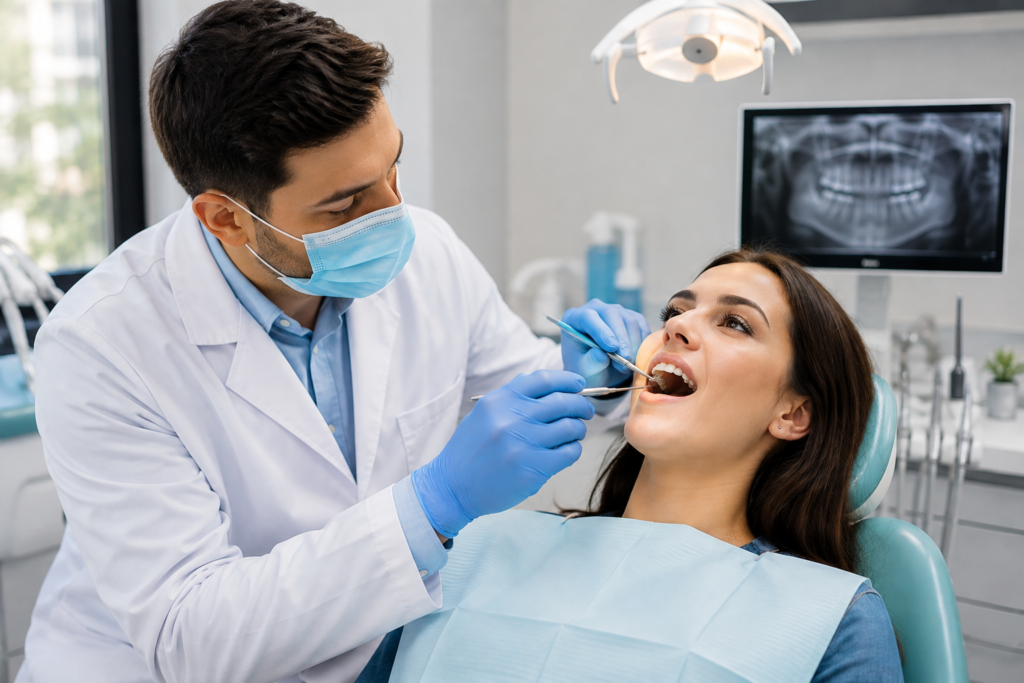
A typical cleaning starts with a review of your oral health and any symptoms you are experiencing. The clinician may look at your teeth, gums and existing restorations before deciding how much cleaning is needed. This matters because a patient with healthy gums and light plaque may need a straightforward preventive cleaning, while someone with bleeding gums, tartar or deeper gum pockets may need periodontal treatment.
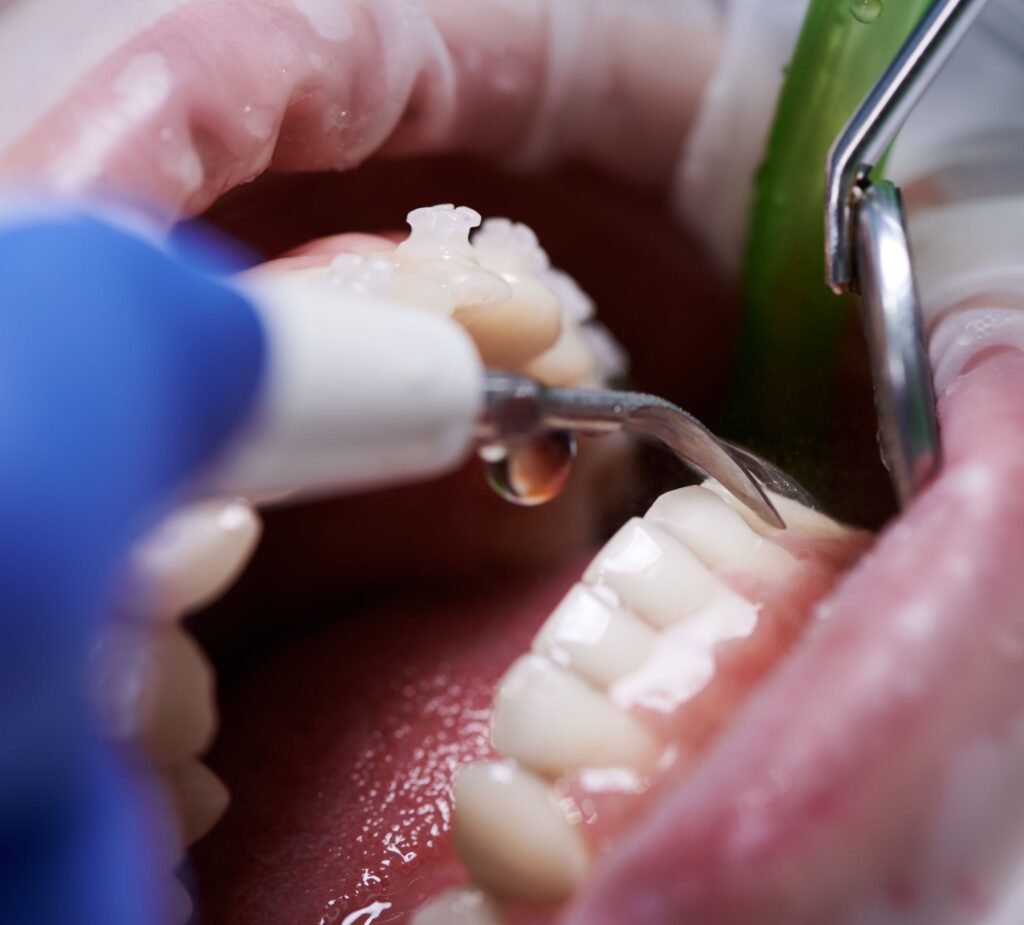
Scaling removes plaque and hardened calculus from the tooth surfaces. Depending on the equipment and clinical situation, this may be done with hand instruments, ultrasonic instruments or a combination. Polishing can then smooth the tooth surfaces and remove some surface stains. Your clinician may also discuss brushing technique, interdental cleaning and areas that are difficult to keep clean at home.
What to Expect During Your First Dental Cleaning Near Me
A first visit is usually about more than making the teeth look cleaner. The dentist or dental professional may ask about sensitivity, bleeding, bad breath, previous dental treatment, smoking or tobacco exposure and any concerns you have. This history helps put the cleaning in context.
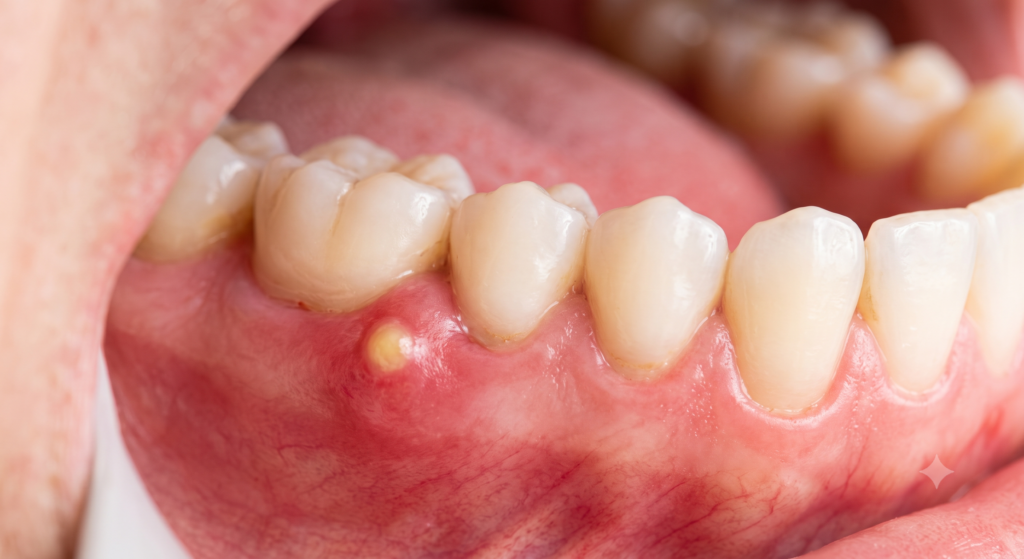
If gum inflammation is present, the clinician may assess gum condition and explain whether routine cleaning is appropriate or whether a deeper periodontal cleaning is indicated. Asking questions during the appointment is useful: find out what was found, what treatment is recommended, how often you should return and what home-care changes would be most helpful for you.
How to Choose the Right Dental Clinic Near You
When comparing local clinics, start with qualifications, scope of services, infection-control practices and communication. A clinic that can evaluate teeth and gums before cleaning is better positioned to identify when a simple polish is not the right treatment.
Convenience still matters. A nearby clinic can make regular preventive visits and follow-up easier, especially if you need several appointments. Look for clear contact information, transparent treatment explanations and a process for urgent concerns. Reviews can provide context about patient experience, but they should support—not replace—professional assessment and clinical credentials.
Deep vs Regular Dental Cleaning: What Is the Difference?
Regular professional cleaning is generally focused on removing plaque and calculus from accessible tooth surfaces and supporting preventive oral health. Deep cleaning, often called scaling and root planing, is a periodontal treatment used when gum disease has created pockets where plaque and calculus accumulate below the gumline.
A deep cleaning may involve local anaesthesia and can require more than one visit depending on the extent of treatment. Afterward, gums may be tender or teeth may feel temporarily sensitive. Your clinician may schedule a review to assess healing and gum-pocket measurements. It is not automatically “better” than a regular cleaning; it is a different treatment for a different clinical need.
How Often Should You Get a Dental Cleaning?
There is no single interval that fits every patient. The appropriate schedule depends on gum health, plaque and calculus build-up, previous periodontal disease, home care, tobacco use, medical factors and your dentist’s assessment. Some people may do well with routine preventive visits, while patients with gum disease may need a more structured periodontal maintenance plan.
A useful approach is to follow the interval recommended after your examination rather than booking based only on a generic calendar. Between visits, brush twice daily with fluoride toothpaste, clean between the teeth every day and pay attention to persistent bleeding or sensitivity. If a cleaning appointment repeatedly reveals heavy deposits or inflamed gums, ask what changes could reduce the problem between visits.
Is Dental Cleaning Painful?
Most routine cleanings are well tolerated, but sensitivity can occur when teeth have exposed roots, inflamed gums or heavy tartar. Communicate any discomfort during the appointment so the clinician can adjust technique, use topical or local measures when appropriate, or work in shorter sections.
Deep cleaning can feel more involved because treatment may extend below the gumline. Local anaesthetic is sometimes used to improve comfort. After treatment, mild tenderness or temperature sensitivity can occur for a short period. Significant or worsening pain is not something to simply ignore; contact the clinic so the cause can be assessed.
Dental Cleaning for Sensitive Teeth and Gums
Sensitivity does not automatically mean you should avoid cleaning. In fact, persistent sensitivity can be a reason to have your teeth and gums assessed. The cause may include exposed root surfaces, gum recession, wear, decay, a cracked tooth or other problems that need attention.
Tell the dentist about sensitivity before treatment begins. The team can identify areas that need a gentler approach and advise on home care. Avoiding professional cleaning indefinitely because of sensitivity can allow plaque and calculus to build up, potentially making gum inflammation harder to control.
Why Hygiene and Infection Control Matter When Choosing a Clinic
A dental cleaning involves instruments entering the mouth, so infection-control procedures are an important part of choosing a clinic. Patients can reasonably ask how reusable instruments are cleaned and sterilised, how single-use items are handled and how treatment areas are prepared between patients.
A professional-looking clinic is not enough by itself. Look for clear hygiene processes, appropriate sterilisation equipment and staff who are willing to explain their protocols. Implant & Surgery Centre describes a hospital-grade sterilisation workflow with Class B autoclaves and disposable single-use consumables on its website.
What to Ask Before Booking Dental Cleaning Near You
Before booking, ask what is included in the appointment and whether an examination is part of the visit. It is also reasonable to ask who will perform the procedure, whether polishing is included, how the clinic handles sensitivity, and what happens if the dentist finds gum disease, cavities or another issue.
For local care, ask about appointment availability, follow-up and how urgent problems are handled. A clinic that offers a broad range of services can make it easier to continue treatment when the cleaning reveals a problem that needs more than preventive care.
| What to compare | Why it matters |
|---|---|
| Qualifications | Helps you confirm that your dental care is provided by an appropriately qualified dentist. |
| Cleaning approach | Ask what the appointment includes and whether an examination is part of the visit. |
| Hygiene and infection control | Good sterilisation and infection-control practices are essential for safe dental care. |
| Follow-up care | A convenient clinic can make routine reviews and future treatment easier to manage. |
| Cost transparency | Clear estimates help you understand the likely cost before treatment begins. |
Choosing a Dental Cleaning Clinic Near You
The best dental cleaning near you is not necessarily the clinic with the closest location or lowest advertised price. Look for a practice that assesses your oral health, explains what type of cleaning you need, follows strong hygiene and sterilisation procedures, and gives you a realistic plan for maintenance. If your gums bleed persistently, you have significant sensitivity, swelling or other symptoms, ask for an examination rather than treating cleaning as a cosmetic appointment. Professional cleaning works best as part of a broader preventive routine that includes daily brushing, cleaning between the teeth and regular dental review.
- https://www.ada.org/sitecore/content/ADA-Organization/ADA/MouthHealthy/home/dental-care/daily-routine
- https://www.ada.org/sitecore/content/ADA-Organization/ADA/MouthHealthy/home/all-topics-a-z/scaling-and-root-planing
- https://implantandsurgerycentre.com/services/
- https://implantandsurgerycentre.com/
FAQs About Dental Cleaning Near Me
How often should I get a dental cleaning?
The right interval depends on your gum health, plaque and calculus build-up, home care and previous dental problems. Your dentist can recommend a schedule after examining your teeth and gums.
What is the difference between regular cleaning and deep cleaning?
Regular cleaning focuses on preventive removal of plaque and calculus from accessible surfaces. Deep cleaning, or scaling and root planing, is a periodontal treatment used to clean below the gumline when gum disease and deeper pockets are present.
Can dental cleaning remove yellow stains?
Professional cleaning can remove some surface deposits and extrinsic stains. It does not change the natural internal colour of teeth in the same way as professional whitening.
Can I get a dental cleaning if my gums bleed?
Bleeding gums should be assessed rather than ignored. Cleaning may be part of treatment, but persistent bleeding can indicate gum inflammation or periodontal disease that needs a tailored plan.
What should I do after a dental cleaning?
Follow the clinician’s advice, maintain daily brushing and interdental cleaning, and return for the recommended follow-up. Mild sensitivity can occur after some cleanings, especially when heavy deposits are removed.