Key Takeaways
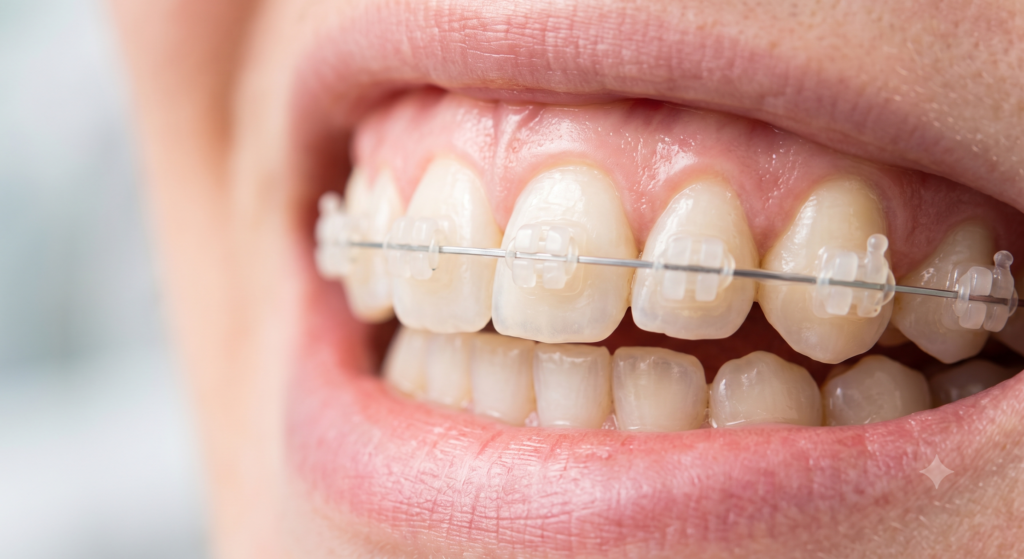
- Ceramic braces can provide a less noticeable appearance than traditional metal brackets while using the same basic orthodontic principle of controlled tooth movement.
- They require careful oral hygiene because brackets create extra areas where plaque can accumulate.
- Ceramic brackets can be more fragile in some situations and may be less suitable for certain complex movements.
- The material itself is not the only factor in treatment time; case complexity and compliance also matter.
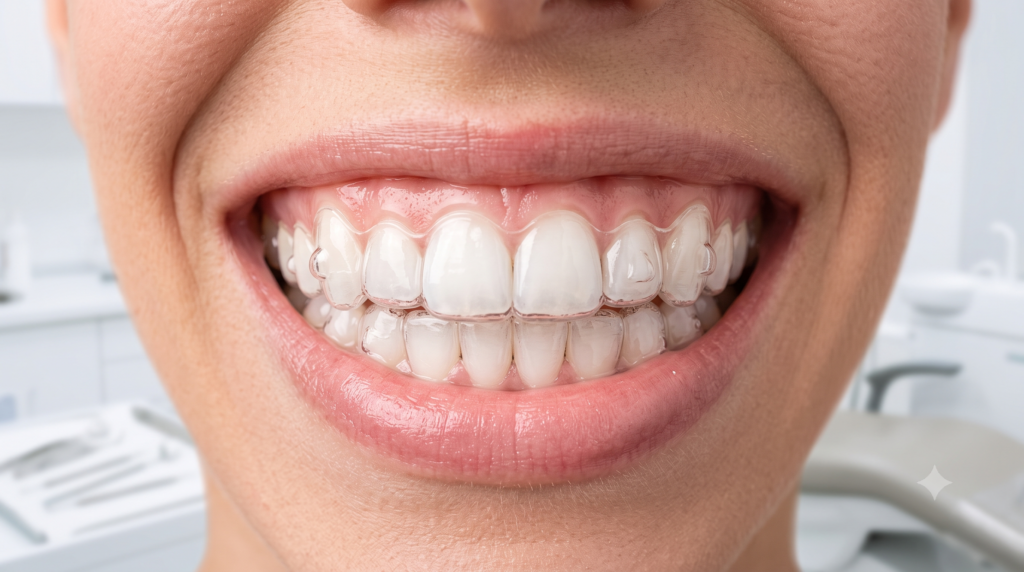
- A professional orthodontic assessment is essential before choosing between ceramic braces, metal braces or clear aligners.
Ceramic braces are fixed orthodontic appliances that use tooth-coloured or relatively discreet brackets instead of the traditional metal appearance. They can move teeth by applying controlled forces, but they are not suitable for every patient or every orthodontic problem.
Choosing between ceramic and metal braces is usually a balance between treatment needs, appearance, durability, cleaning and budget. A dentist or orthodontist should evaluate your bite, crowding and overall oral health before recommending a specific appliance. This guide explains how ceramic braces work, their benefits and limitations, and practical ways to maintain them.
How Do Ceramic Braces Work?
Ceramic braces use brackets bonded to the teeth and an archwire that applies controlled forces to move teeth gradually. The system works on the same broad orthodontic principle as conventional braces. The difference is mainly the bracket material and appearance.
During treatment, appointments are used to check progress and make adjustments. The exact mechanics and timing depend on the bite and the movements required. A patient should not choose braces based only on how the brackets look; the appliance must also be appropriate for the treatment goal.
Ceramic Braces vs Metal Braces: Key Differences
Metal braces are typically made from stainless-steel components and are known for strength and versatility. Ceramic braces use tooth-coloured brackets that can blend more closely with natural teeth. Both can be effective, and the right choice depends on the individual case.
Ceramic braces may appeal to adults and older teens who want a more discreet fixed appliance. Metal braces can be preferred when durability, cost or the demands of a complex case make them a better fit. Your orthodontic provider can explain the trade-offs rather than treating one system as universally superior.
Pros of Ceramic Braces
The most obvious advantage is appearance. Ceramic brackets can be less visually prominent than metal. For patients who want fixed orthodontic treatment without the traditional metallic look, this can be a meaningful benefit.
Ceramic braces also provide continuous fixed control because the appliance stays on the teeth during treatment. For suitable cases, this can make them an alternative to removable clear aligners. The biggest practical benefit is often psychological: some patients are more comfortable committing to treatment when the appliance feels less conspicuous.
Cons of Ceramic Braces
Ceramic brackets can be more brittle than metal and may require more care. They may also cost more depending on the clinic and treatment plan. Some patients find the brackets slightly different in size or feel, although comfort varies considerably.
No fixed appliance removes the need for meticulous hygiene. Food and plaque can collect around brackets, increasing the risk of white-spot lesions or gum inflammation if cleaning is poor. Your orthodontic team should show you how to brush around brackets and maintain the gumline.
Do Ceramic Braces Stain?
The ceramic bracket material itself is designed to remain relatively colour-stable, but other components of the appliance, such as elastic ligatures, may discolor depending on the material and food or drink exposure. This means patients sometimes notice a change in the overall appearance during treatment.
Good oral hygiene and regular orthodontic reviews help keep the appliance cleaner. Ask your provider how they expect you to manage staining and whether the planned appliance uses elastic ties that are changed at adjustment visits.
Ceramic Braces for Adults: Are They Worth It?
Adults often care about appearance, but the more important question is whether fixed orthodontic treatment is appropriate for the bite. Ceramic braces can be a reasonable option for adults who want fixed treatment with a lower visual profile.
The value comes from achieving a stable functional and aesthetic result while maintaining healthy teeth and gums. Cost, treatment duration, breakage risk and hygiene requirements should be considered alongside appearance. A consultation should compare ceramic braces with metal braces and aligner-based options.
How to Clean Your Teeth With Ceramic Braces
Brush carefully around every bracket and along the gumline. Cleaning between teeth becomes especially important because the wire can prevent ordinary floss from sliding through easily; interdental brushes, threaders or other tools may be recommended.
Limit frequent sugary snacks and drinks, attend scheduled orthodontic appointments and report broken brackets or wires rather than attempting to repair the appliance yourself. Good hygiene throughout treatment is as important as straightening the teeth.
Who May Not Be a Good Candidate for Ceramic Braces?
Not every orthodontic problem is best treated with ceramic brackets. Very complex movements, heavy bite forces, habits that increase bracket damage or particular tooth positions can influence appliance choice. Oral hygiene and untreated gum disease are also important factors.
An orthodontic assessment considers the bite, roots, bone support, tooth condition, age and treatment goals. The provider can then recommend ceramic braces, metal braces, clear aligners or another approach based on the complete picture.
What Happens After Ceramic Braces?
Braces are only one part of orthodontic treatment. Once teeth are aligned, retainers are normally needed to help maintain the new position. Retention may involve removable or fixed appliances depending on the case.
Keep follow-up appointments and follow retainer instructions closely. Teeth can shift over time, so finishing active orthodontic treatment does not mean the process is over. Long-term retention is a normal part of maintaining an orthodontic result.
| Factor | Ceramic braces | Metal braces |
|---|---|---|
| Appearance | Tooth-coloured or clear brackets can be less noticeable. | Metal brackets are more visible. |
| Strength | Modern ceramic brackets are designed for orthodontic treatment but may be more susceptible to damage in some situations. | Metal brackets are generally very durable. |
| Cleaning | Good brushing and careful cleaning around brackets are essential. | Also requires thorough cleaning around brackets and wires. |
| Cost | Can be more expensive depending on the treatment plan and clinic. | Often a more economical fixed-brace option. |
| Suitability | Depends on the bite, tooth movement required and orthodontist’s assessment. | Suitable for many types of fixed orthodontic treatment. |
Choose Braces Based on Your Orthodontic Needs
Ceramic braces can be an attractive alternative to metal braces, especially for patients who want a more discreet fixed appliance. But appearance should not be the only decision factor. The right appliance depends on your bite, tooth movement requirements, oral hygiene, comfort preferences, treatment goals and budget. A professional orthodontic assessment can compare ceramic braces, metal braces and aligners and explain which option is likely to be practical for your case.
FAQs About Ceramic Braces
Are ceramic braces better than metal braces?
Neither is universally better. Ceramic braces are less noticeable, while metal braces can offer excellent durability and versatility. The best option depends on your treatment needs and priorities.
Do ceramic braces stain?
Ceramic brackets are designed to resist staining, but elastic ligatures or other components can discolor depending on materials and diet. Good hygiene and regular adjustments help maintain appearance.
Are ceramic braces good for adults?
They can be, especially when appearance is a priority and fixed orthodontic treatment is suitable for the case. An orthodontic assessment is still necessary.
Are ceramic braces more expensive?
They can cost more than metal braces, but pricing varies with the provider, case complexity, materials and treatment duration.
Can I eat normally with ceramic braces?
You can usually eat a broad range of foods with modifications. Hard, sticky or very chewy foods can damage brackets and should be avoided or limited according to your orthodontist’s instructions.