Key Takeaways
- Veneers can improve colour, shape and visual symmetry when the underlying teeth are suitable for restoration.
- Porcelain and composite veneers differ in material properties, aesthetics, repairability, cost and expected maintenance.
- Existing decay, gum disease or bite problems may need to be treated before cosmetic veneer work.
- Not every smile needs veneers; conservative alternatives may sometimes achieve the desired improvement.
- Irreversible dental treatment should be performed by a licensed, trained dental professional after examination and informed discussion.
Dental veneers are thin restorations placed on the visible surfaces of teeth to improve shape, colour or proportions. They can be made from porcelain or composite materials, and the best choice depends on your goals, tooth condition, bite, budget and the amount of change required.
Veneers are often discussed as a quick route to a smile makeover, but they are still dental treatment and should be planned carefully. Some veneer procedures involve irreversible tooth preparation, so the decision deserves the same attention you would give any restorative treatment. This guide covers types, preparation, care, longevity and common limitations.
What Are Dental Veneers?
A veneer is a thin layer of restorative material designed to cover the visible surface of a tooth. Depending on the material and technique, the dentist may remove some enamel to create space for the restoration. The goal is not simply to cover a tooth but to design a stable, functional and natural-looking result.
Veneers are different from crowns. A crown covers the tooth more extensively and is typically used when a tooth needs greater structural protection. Veneers are primarily focused on the visible surface and cosmetic or limited restorative goals.
Porcelain vs Composite Veneers
Porcelain veneers are fabricated from ceramic and are known for their appearance and resistance to surface staining. Composite veneers are built directly with tooth-coloured resin and can often be repaired more easily if chipped. The right material depends on the case rather than on one material being universally better.
Ask about preparation, expected longevity, repair options, colour stability and maintenance. The clinician should also show how the planned shape and shade will interact with your bite and surrounding teeth.
What Can Veneers Correct?
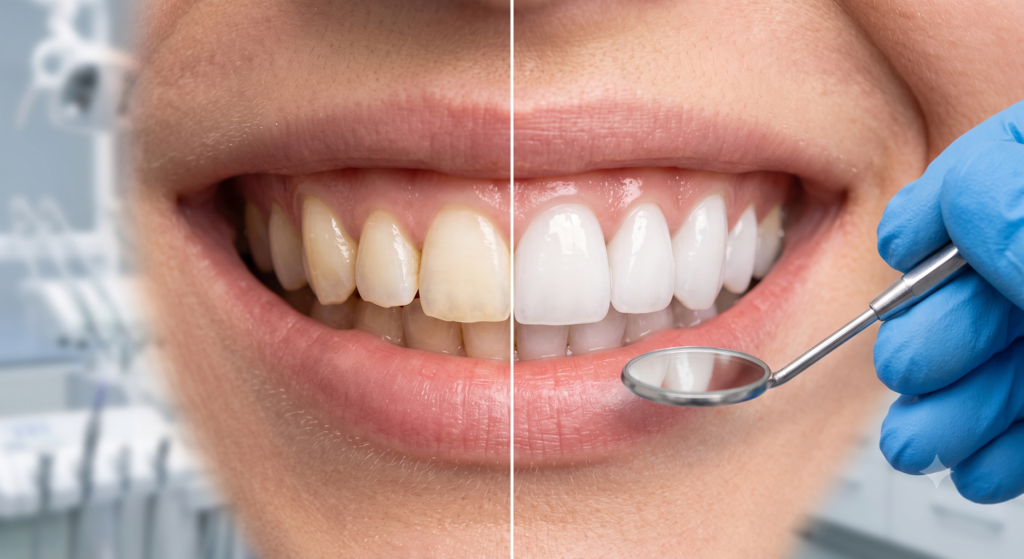
Veneers may be used to improve certain forms of discoloration, minor shape differences, small gaps, uneven edges or proportions. They are not a substitute for orthodontics when teeth are significantly misaligned, or for treatment of active dental disease.
A good smile design considers the lips, gums, facial proportions, bite and neighbouring teeth. The goal is usually a result that looks balanced rather than a row of identical, extremely white teeth.
What Happens Before Getting Veneers?
Before veneer treatment, your dentist should assess the teeth and gums, bite, existing restorations and any symptoms. Decay or gum disease should generally be addressed first. Digital scans, photographs or mock-ups may be used to plan shape and proportion.
Ask whether the proposed treatment is reversible or involves enamel reduction. Understanding the preparation is especially important because a tooth that has been prepared for a traditional veneer may require some form of restoration in the future.
How Much Do Dental Veneers Cost?
Veneer pricing varies widely because it depends on material, number of teeth, laboratory work, preparation, dentist experience, imaging, temporary restorations and the complexity of the smile design. A single “per tooth” figure may not describe the whole treatment.
When comparing prices, ask whether the quotation includes consultation, digital planning, preparation, temporary stages, final veneers, adjustments and follow-up. The cheapest option may not be the most conservative or the easiest to maintain long term.
How Long Do Veneers Last?
Veneers can last for years, but longevity depends on material, bonding, bite forces, oral hygiene, habits and maintenance. Chipping, debonding, wear or changes in the underlying tooth can affect how long a veneer remains satisfactory.
Avoid using veneered teeth as tools for opening packaging or biting very hard objects. If you grind or clench your teeth, ask whether protective measures such as a night guard are appropriate. Regular reviews help identify small problems before they become major repairs.
Can You Get Veneers Without Shaving Teeth?
The amount of preparation depends on the starting tooth position, desired thickness, material and smile design. Some cases can be treated with minimal preparation, while others require enamel reduction. “No-prep” should not be assumed to mean risk-free or suitable for every smile.
The right question is not whether veneers can be placed without preparation, but whether the proposed design preserves healthy tooth structure while achieving a stable result. A conservative plan should be based on examination and realistic material requirements.
Veneer Care and Maintenance
Brush twice daily with fluoride toothpaste and clean between the teeth daily. Continue regular dental reviews so the dentist can check the veneer margins, gums and underlying teeth. Composite veneers may require periodic polishing, while porcelain may be more resistant to surface staining but can still chip or debond.
Your dentist may recommend a night guard if grinding is a concern. Avoid biting hard objects and contact the clinic if a veneer feels loose, sharp or different when you bite.
Who Should Avoid Immediate Cosmetic Veneers?
Patients with active gum disease, untreated decay, inadequate tooth structure, severe bite problems or unrealistic expectations may need other treatment first. Veneers should not be used to hide a disease problem or to bypass orthodontic or restorative needs that are more fundamental.
A reputable cosmetic consultation should include alternatives. Sometimes whitening, bonding, orthodontics, reshaping or a combination of restorative treatments can achieve a similar improvement with less tooth preparation.
| Veneer type | Key characteristics |
|---|---|
| Porcelain veneers | Custom-made restorations known for a natural appearance and resistance to staining. |
| Composite veneers | Composite resin can be shaped directly on the tooth and may usually be completed more quickly. |
| Tooth preparation | The amount of enamel preparation depends on the case, veneer type and treatment plan. |
| Longevity | Veneers can last for years with good oral hygiene and appropriate care, but they are not permanent. |
| Suitability | Healthy teeth and gums and realistic expectations are important before cosmetic treatment. |
Dental Veneers Require More Than a Beautiful Preview
Veneers can create a significant cosmetic change, but the quality of the result depends on diagnosis, planning, tooth preparation, material choice, bite, gum health and maintenance. Before treatment, ask what will be removed from the teeth, which material is recommended, what alternatives exist and how future repairs will be handled. The best smile makeover is not simply the whitest or most dramatic; it is one that is healthy, proportionate, functional and maintainable.
FAQs About Dental Veneers
Are veneers permanent?
Veneers are long-term restorations, but they may need repair or replacement over time. If enamel is prepared, the tooth will generally continue to need a restoration.
Do veneers damage teeth?
Appropriately planned veneers can be used conservatively, but some techniques require enamel removal. Poorly planned or unlicensed treatment can cause significant dental problems.
Which is better, porcelain or composite veneers?
It depends on your goals, tooth condition, budget, preparation needs and maintenance preferences. Your dentist should compare the materials for your specific case.
Can I get veneers on crooked teeth?
Veneers can mask some minor shape or alignment differences, but significant crowding or bite problems may be better managed with orthodontics before or instead of veneers.
How should I care for veneers?
Brush with fluoride toothpaste, clean between the teeth, attend regular reviews and avoid using the teeth as tools or biting very hard objects. A night guard may be useful for some patients with grinding.