Key Takeaways
- Clear aligners are removable orthodontic appliances that move teeth through a planned sequence of trays.
- Success depends heavily on wearing the aligners as directed and attending review appointments.
- Some tooth movements are easier with fixed braces or other orthodontic appliances.
- Aligners should generally be removed for eating and drinking anything other than water, then replaced after cleaning.
- Retention after treatment remains necessary because teeth can move after active orthodontic treatment.
“Invisible braces” commonly refers to clear aligners—removable, transparent trays designed to move teeth gradually. They can be discreet and convenient, but they are not a universal replacement for fixed braces. Suitability depends on the bite, tooth positions, required movements and the patient’s ability to wear the aligners consistently.
This guide explains what clear aligner treatment involves, how it differs from traditional braces, which problems may be more challenging, and what day-to-day wear is like. It also covers cleaning, costs and the importance of professional monitoring throughout treatment.
What Are Invisible Braces?
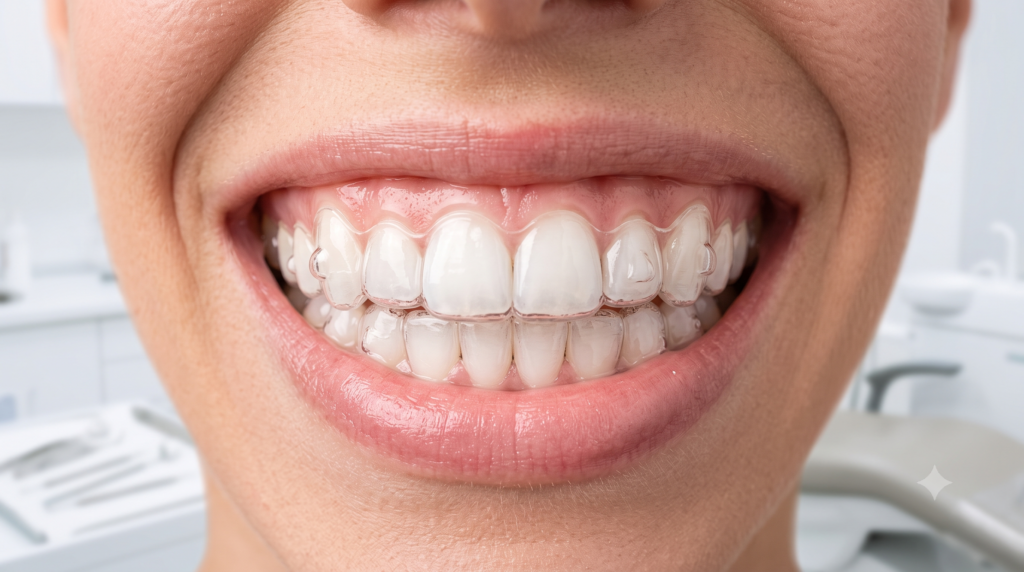
Invisible braces is a consumer-friendly term often used for clear aligners. Unlike fixed braces, aligners are removable and made from transparent plastic. Each tray is designed for a stage of tooth movement, and patients progress through a series according to a treatment plan.
The important distinction is that aligners are still orthodontic treatment. They are not simply cosmetic trays. A dentist or orthodontist evaluates the bite and teeth, creates the treatment plan and monitors whether the planned movement is occurring as expected.
Clear Aligners vs Traditional Braces
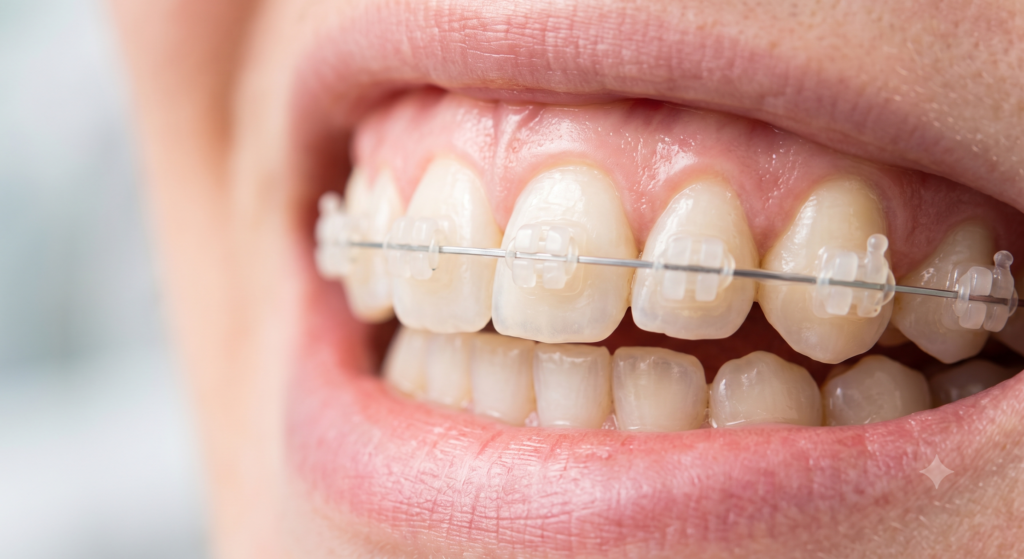
Traditional braces use brackets and wires fixed to the teeth. Clear aligners use removable trays. Aligners are more discreet and can be easier to remove for meals and oral hygiene, while fixed braces stay in place and can offer precise control in many movements.
The best choice depends on treatment complexity, patient preference, compliance and clinical judgement. A person who wants invisibility but cannot reliably wear removable trays may do better with a fixed system, while a suitable aligner patient may value the convenience and appearance.
Can Invisible Braces Fix All Dental Problems?
No. Clear aligners can treat many alignment and bite problems, but not every case is equally predictable with aligners alone. The complexity of crowding, rotations, root movement, bite relationships and other factors can influence treatment planning.
A proper orthodontic assessment looks beyond the front appearance of the smile. X-rays and other records may be needed to assess roots, bone support and bite. Be cautious of treatment plans offered without an adequate examination or professional monitoring.
What Is It Like Wearing Invisible Braces Day to Day?
Most patients notice pressure or tightness when moving into a new tray because the aligner is designed to guide tooth movement. Speaking can feel slightly different initially, and the lips and cheeks may need time to adapt.
The trays need consistent wear for the plan to work. Removing them frequently or forgetting to replace them can affect progress. Patients should follow their provider’s exact instructions for wear time and changing trays rather than using a generic schedule from social media.
How Much Do Invisible Braces Cost?
Cost depends on the number of aligners, complexity of the bite, duration of treatment, provider experience, refinement needs and retention. Advertising may focus on a starting price that does not include every stage, so it is important to ask what is included.
A useful quote should explain assessment, digital records or imaging, aligner stages, refinements if needed, reviews and retainers. Choosing purely by price can be risky if there is no plan for monitoring or managing unexpected tooth movement.
How Do You Clean Clear Aligners?
Rinse aligners when removed and clean them according to your provider’s instructions. Good oral hygiene becomes especially important because the trays can hold plaque and bacteria against the teeth if the mouth or aligners are not kept clean.
Brush your teeth before putting aligners back in when possible, clean between the teeth daily, and avoid hot water that could distort plastic. Your provider may recommend a specific cleaning product or method for the aligner material used.
Can You Eat and Drink With Invisible Braces?
Most clear aligner systems are removed for meals. Water is generally the simplest drink to have while trays are in place. Eating with aligners can damage or stain the trays and may trap food against the teeth.
After eating, clean your teeth as practical before replacing the aligners. Frequent sugary or acidic drinks can increase the risk of tooth damage when combined with prolonged tray wear and poor hygiene, so the broader diet matters too.
What Happens if I Lose an Aligner?
Contact your orthodontic provider rather than guessing which tray to use. Depending on the stage of treatment and how long the tray has been lost, your dentist may advise wearing a previous tray, moving forward, or replacing the lost appliance.
Do not leave the aligner out for long periods without guidance because teeth can move. Keeping the current and previous trays when advised can also help the provider manage unexpected situations.
What Happens After Invisible Braces?
Once active tooth movement is complete, the next stage is retention. Retainers help reduce the tendency for teeth to shift toward their previous positions. The type and schedule depend on the treatment plan.
Retention is not optional maintenance. Even a successful orthodontic result can change over time. Ask how long you should wear your retainer, when to replace it and what to do if it becomes uncomfortable or stops fitting.
| Factor | What to consider |
|---|---|
| Appearance | Clear aligners are designed to be discreet compared with conventional fixed braces. |
| Removability | Aligners can generally be removed for eating and oral hygiene, then worn as instructed. |
| Discipline | Successful treatment depends on wearing the aligners for the prescribed time each day. |
| Complexity | Suitability varies; some tooth movements may require other orthodontic approaches. |
| Retention | Retainers are usually needed after active treatment to help maintain the result. |
Invisible Braces Work Best With Professional Planning and Consistent Wear
Clear aligners can make orthodontic treatment more discreet and convenient, but they still require diagnosis, planning and regular professional review. They are not suitable for every dental problem, and the patient’s ability to wear the trays consistently matters. Before choosing a system, ask what movements are planned, how progress will be monitored, what is included in the cost and what happens after treatment. A realistic plan is more valuable than the promise of completely invisible treatment for every case.
FAQs About Invisible Braces
Are invisible braces the same as Invisalign?
Invisible braces is a broad term often used for clear aligners. Invisalign is a specific aligner brand. Your dentist should explain which system is being offered and why it suits your case.
Can clear aligners fix crowded teeth?
They can treat many crowding cases, but the severity and type of crowding matter. Some complex movements are more predictable with fixed braces or additional orthodontic techniques.
How long do clear aligners take?
Treatment length depends on the starting bite, movement complexity, wear consistency and whether refinements are needed. A personalised estimate comes after assessment.
Can I eat with invisible braces?
Most clear aligners should be removed for meals. Water is generally the simplest drink to consume while wearing the trays.
Do I need retainers after clear aligners?
Yes. Retention is an important part of maintaining orthodontic results because teeth can move after active treatment.