Key Takeaways
- A dental abscess needs dental treatment; it does not reliably disappear on its own.
- Pain plus swelling, bad taste, fever or worsening symptoms can indicate infection and should prompt urgent dental assessment.
- Treatment targets the source of infection, which may be an infected tooth or gum tissues.
- Antibiotics may be used in selected situations, but they do not replace dental treatment of the source.
- Breathing, swallowing or speech difficulty with significant swelling is an emergency.
A dental abscess is a collection of pus caused by a bacterial infection in the teeth or surrounding tissues. It can develop around the root of an infected tooth or in the gums. Common symptoms include intense toothache, swelling, sensitivity, bad taste, difficulty chewing and fever, but the exact presentation varies.
An abscess is not a condition to manage indefinitely with home remedies. The infection needs dental assessment so the source can be treated. Depending on the tooth and the diagnosis, treatment may involve drainage, root canal treatment or removal of a tooth that cannot be saved. This guide covers the warning signs and the situations that require urgent attention.
What Is a Dental Abscess?
A dental abscess forms when bacteria infect oral tissues and pus collects. A periapical abscess typically develops at the tip of a tooth root after infection inside the tooth, while a periodontal abscess is associated with infection in the gum and supporting tissues.
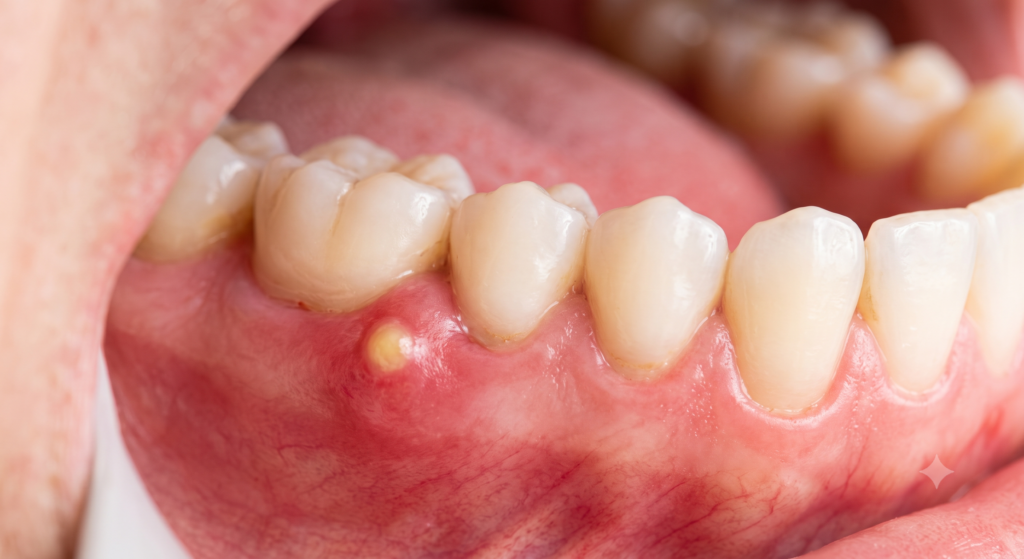
Symptoms can be local or more widespread. A person may notice a throbbing toothache, swelling near the tooth, a gum boil, bad taste or tenderness when biting. Because different problems can cause similar symptoms, a dentist needs to determine the source rather than relying on symptoms alone.
Dental Abscess Symptoms You Should Not Ignore
Warning signs include severe or persistent tooth pain, swelling of the gum or face, redness, a bad taste or discharge, sensitivity to hot or cold, difficulty chewing, swollen neck glands and fever. Pain that suddenly decreases does not necessarily mean the infection is gone; a draining abscess can still require treatment.
The NHS advises urgent dental assessment for suspected dental abscesses and immediate emergency help when severe swelling affects breathing, speaking or swallowing.
Dental Abscess vs Normal Toothache
Toothache can come from decay, sensitivity, cracks, trauma, gum disease or an inflamed pulp. An abscess specifically involves an infection with pus. Swelling, fever, a bad taste or visible drainage make infection more concerning, although not every abscess produces the same combination of symptoms.
A tooth can be infected without dramatic pain, and a severe toothache can occur without an abscess. That is why examination and imaging may be needed before deciding on treatment.
What Causes a Dental Abscess?
Untreated decay is a common route to pulp infection. Cracks or trauma can also allow bacteria to reach the inner tooth. Gum disease can create deep pockets where bacteria accumulate, and impacted teeth can become associated with infection.
Good daily hygiene and regular dental examinations reduce the chance of untreated decay or periodontal problems becoming advanced. They cannot eliminate every risk, but early detection makes many problems easier to manage before an abscess develops.
How Is a Dental Abscess Treated?
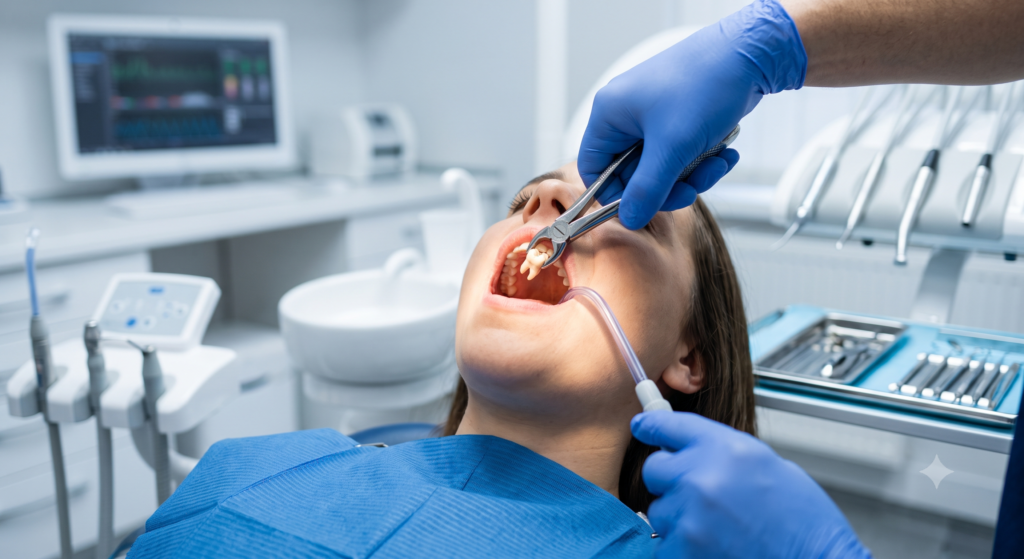
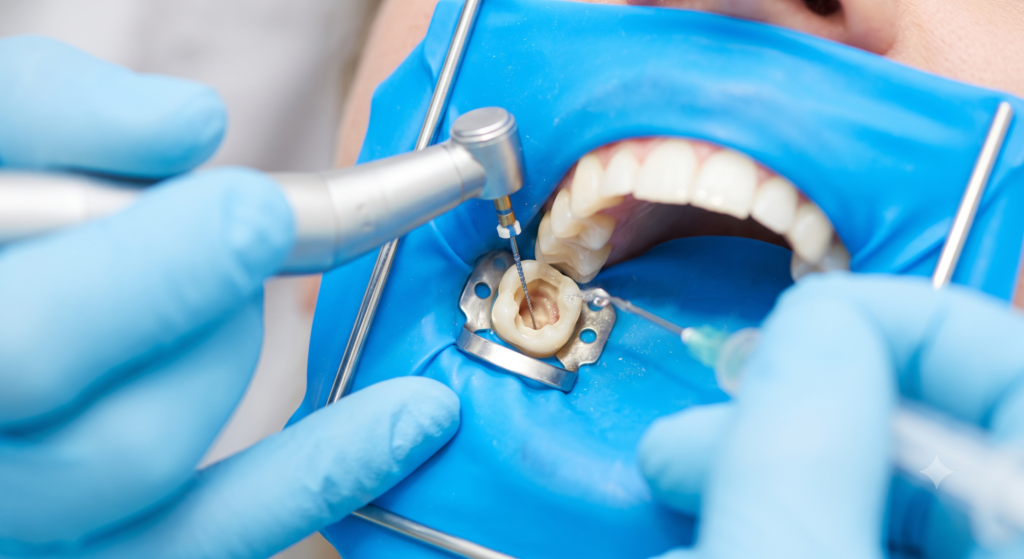
Treatment depends on where the infection is and whether the tooth can be saved. A dentist may drain the pus, perform root canal treatment to remove infection from inside a tooth, treat periodontal disease, or remove a non-restorable tooth. Local anaesthesia is used for many dental procedures to keep treatment comfortable.
The goal is to eliminate the source of infection. Simply draining a swelling without addressing the infected tooth or periodontal problem may not prevent recurrence, so follow-up is important.
Do Antibiotics Cure a Dental Abscess?
Antibiotics can be appropriate when there are signs of spreading infection, systemic involvement or specific risk factors. They are not a substitute for drainage or treatment of the infected tooth when dental intervention is needed.
Do not start leftover antibiotics or use someone else’s prescription. A dentist can decide whether antibiotics are indicated and which treatment should be performed to address the source of infection.
What Can You Do Until You See a Dentist?
While waiting for urgent dental care, follow safe symptom-relief measures: use appropriate over-the-counter pain relief only as directed, choose softer foods, avoid very hot or cold foods if they trigger pain and keep the mouth clean with gentle brushing.
Do not place aspirin directly on the gum, attempt to puncture the swelling or use harsh chemicals on the area. These actions can injure oral tissues without treating the underlying infection.
When Does Dental Abscess Swelling Become an Emergency?
A suspected abscess needs urgent dental treatment, but some symptoms signal a medical emergency. Rapidly increasing swelling, difficulty breathing or swallowing, difficulty speaking, significant swelling around the eye or inability to open the mouth normally can indicate dangerous spread of infection.
In such situations, seek emergency medical care immediately. Do not wait for a routine dental appointment when airway or swallowing function is affected.
How Can You Reduce the Risk of Future Dental Abscesses?
Brush twice daily with fluoride toothpaste, clean between the teeth every day and keep regular dental appointments. Treat cavities, broken teeth and gum disease before they become advanced. If you have repeated swelling or pain around the same tooth, get the tooth evaluated rather than repeatedly managing symptoms at home.
A long-term plan may involve fillings, crowns, root canal treatment, periodontal treatment or tooth replacement depending on the underlying problem. Prevention is easier when problems are found before they become infections.
| Sign or symptom | What it may indicate |
|---|---|
| Severe toothache | May occur when infection or inflammation affects the tooth and surrounding tissues. |
| Swelling | Swelling around the gum, face or jaw can occur with a dental abscess. |
| Bad taste or drainage | Pus draining into the mouth can cause an unpleasant taste. |
| Fever or feeling unwell | Systemic symptoms can indicate that the infection needs urgent dental assessment. |
| Difficulty swallowing or breathing | This can indicate a serious spreading infection and requires emergency medical care. |
Dental Abscess Symptoms Need Prompt Attention
A dental abscess is an infection, not simply a stronger version of ordinary toothache. Symptoms such as swelling, intense pain, bad taste, fever or worsening facial symptoms should prompt urgent dental assessment. Treatment must address the source of infection, which may mean drainage, root canal treatment or extraction. Avoid trying to drain an abscess yourself or relying on antibiotics without dental treatment. When swelling affects breathing, swallowing, speaking or the eye area, seek emergency care immediately.
FAQs About Dental Abscess Symptoms
Can a dental abscess go away on its own?
A dental abscess needs dental treatment. Symptoms can fluctuate or a swelling can drain, but the underlying source of infection can remain and recur.
What does a dental abscess feel like?
It may cause intense tooth or gum pain, swelling, tenderness when biting, sensitivity, bad taste and sometimes fever. Symptoms vary between patients.
Can I treat a dental abscess with antibiotics alone?
Antibiotics may be appropriate in selected cases, but they do not remove the dental source of infection. Drainage, root canal treatment or extraction may still be required.
Is a swollen cheek from a tooth infection an emergency?
Significant or rapidly increasing swelling needs urgent dental assessment. Difficulty breathing, swallowing, speaking or swelling around the eye requires emergency care.
How can I prevent dental abscesses?
Regular check-ups, fluoride toothbrushing, cleaning between the teeth and timely treatment of decay, cracks and gum disease can reduce the risk of dental infections.